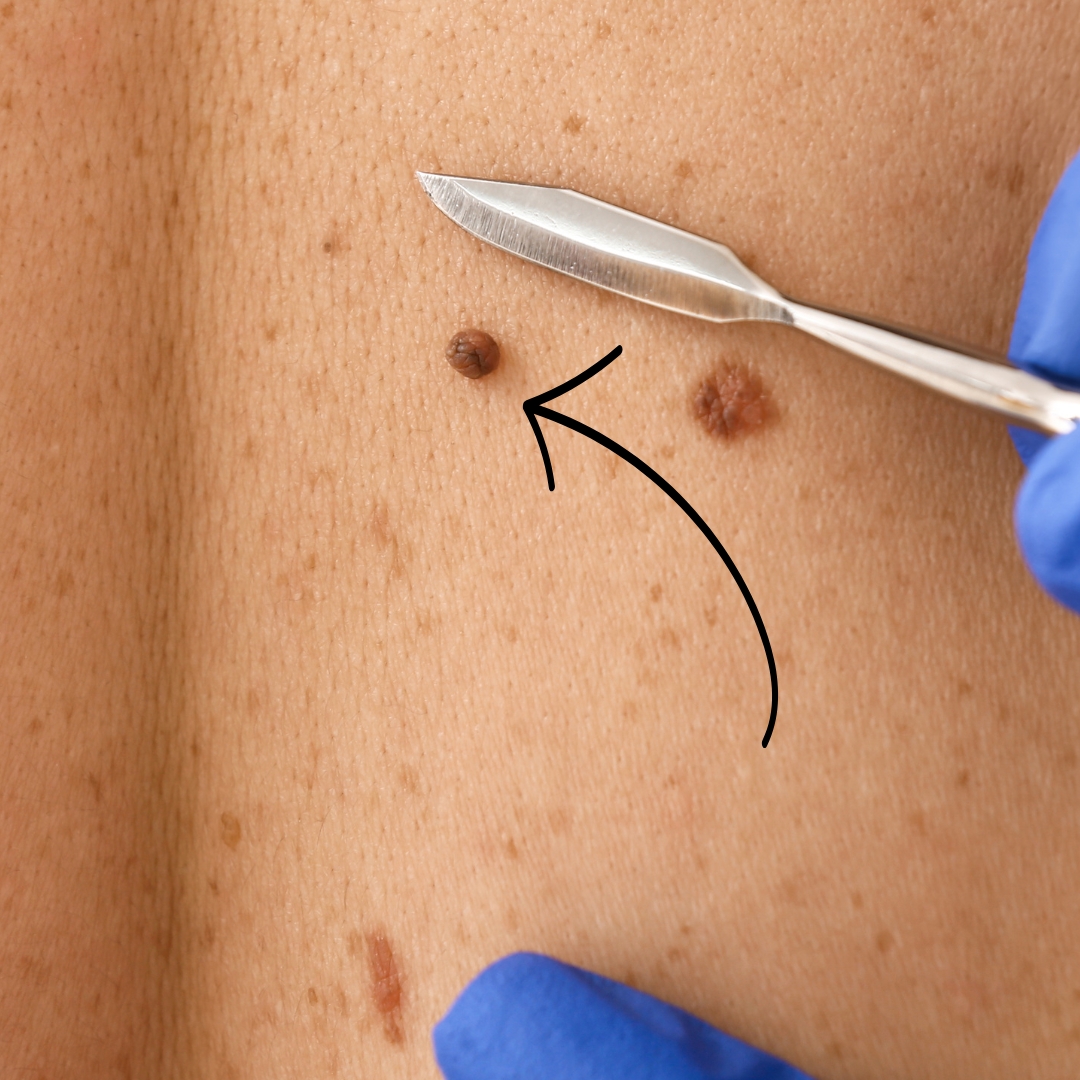
Usual Benign Skin Lesions
Benign Skin Sores: Reasons, Usual Types & Secure Therapy Overview Many people with atypical moles also have a lot more common moles than common. They are very similar to cancer malignancy, yet it usually takes a physician to differentiate the distinction. While not all dysplastic nevi are cancerous moles, they can end up being malignant. That's why it's important to keep an eye on irregular moles. If skin cancer is a worry for you, begin with downloading our Skin Cancer Self-Exam List.
Just how to inform if a skin lesion is benign?
- Proportion in shape, colour and structure.Stable or slowly evolving.Absence of
- spontaneous bleeding(blood loss or ulcer might result from recent injury).

Carroll Dermatology
You may know these as sun, age, or liver spots, dark level spots that often show up on skin that's on a regular basis revealed to the sun. Created by clumps of pigment cells in your skin, you'll usually locate lentigines on your arms, face, hands, scalp, and top abdomen. Whitening lotions containing retinoids or hydroquinone can decrease the appearance of these non-cancerous types of sun damage. Irregular moles form anywhere on the body including the scalp, busts, or legs, yet are frequently located in locations that are regularly revealed to the sunlight. It usually takes place on the nose, temple, ears, lower lip, hands, and various other sun-exposed areas of the body. Squamous cell carcinoma is curable if caught and treated early. If the skin cancer cells becomes advanced, therapy will certainly depend upon the phase of cancer. They can be located in sun-exposed or sun-protected areas of the body. Irregular moles may be bigger (one-quarter inch across or larger) and more uneven in shape, with notched or fading boundaries. While most moles are Click here to find out more safe, it's necessary to check them for any changes that can indicate a trouble. Premalignant skin lesions are unusual growths that are not yet cancerous but have the potential to become skin cancer cells gradually if left unattended. Early recognition and therapy are crucial to avoid progression.- They are generally irregular in color, with a dark brownish center.
- These flaky, rough-textured areas remain consistent for two months or longer without resolution, regardless of constant application of moisturizing products.
- This choice must be made combined with a cancer cells professional.
- Surgical excision entails meticulously eliminating the sore, commonly with a small margin of bordering cells.
- The borders of benign moles often tend to be smooth and even, whereas skin cancer cells sores often have uneven, jagged, or blurred edges.
Reveal Your Skin Some Love: 4 Useful Ideas For Decreasing Skin Cancer Cells Risk
Systemic health concerns and autoimmune illness like psoriasis can cause symptoms that impact the skin. Adjustments like age, fluctuating hormones, and physical irritants like friction chafing can contribute to the development of some sores. The majority of us recognize that too much sun direct exposure can lead to melanoma.New Year, Brand-new You: 3 Blood Vessel Treatments To Consider In 2026
Lots of moles can darken after direct exposure to the sunlight, yet it is necessary to keep in mind that these moles are not precancerous sores. Instead, they are just the result of melanocytes, or gathered cells in the skin, that create the darker coloring. If you have any lesions on your skin that you can't explain, it's smart to see a doctor.